experiences
Tea Ceremony Experiences in Kyoto & Tokyo: What to Expect
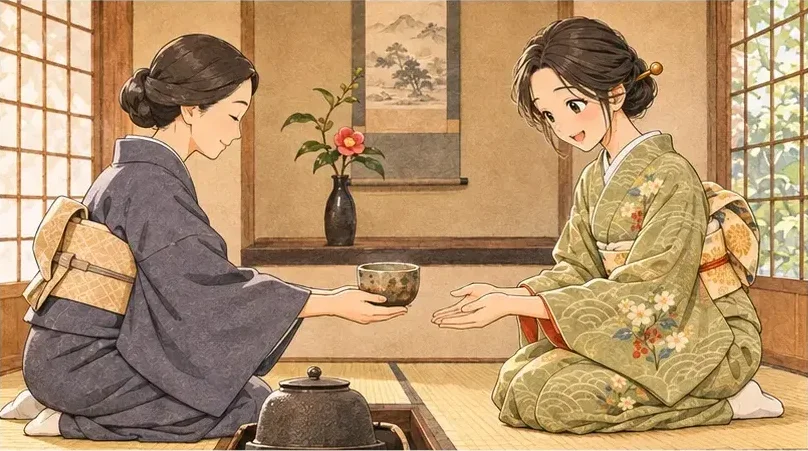
In short: A tea ceremony experience for visitors usually lasts 30 to 90 minutes. A host prepares matcha in front of you with precise, quiet movements; you eat a small Japanese sweet, receive the tea, and drink it with a few simple manners. Many sessions also let you whisk a bowl yourself. You don’t need any experience — just curiosity and respect.
What is the tea ceremony?
The Japanese tea ceremony is called chanoyu (茶の湯, “hot water for tea”) or sadō / chadō (茶道, “the way of tea”). It took shape over centuries and was refined in the 16th century by the tea master Sen no Rikyū. Today, the three best-known schools — Urasenke, Omotesenke and Mushakōjisenke — all trace their roots to his family.
It is less about the drink and more about hospitality: the host prepares every detail — the scroll, the flower, the sweets, the bowl — for this one gathering with these guests. A famous phrase sums it up: ichigo ichie (一期一会), “one time, one meeting” — this moment will never happen exactly the same way again.
Koto’s tip: Four words are often used to describe the spirit of tea: wa (harmony), kei (respect), sei (purity) and jaku (tranquility). You’ll feel them in the room even if no one says them.

What happens, step by step
1. Arriving and entering
You’ll take off your shoes before stepping onto the tatami mats. Some tea rooms have a small, low entrance, so guests bow as they enter — everyone is equal inside.
2. Looking at the alcove
Guests often pause at the tokonoma (alcove) to admire the hanging scroll and the seasonal flower chosen by the host.
3. Sitting
Traditionally, guests sit in seiza (kneeling, sitting on your heels). Visitor sessions usually understand that this is hard for beginners — many offer low stools or chairs, or let you shift position. Just ask.
4. The sweet comes first
You’ll be served a small Japanese sweet (wagashi), often shaped to match the season. Eat it before the tea — its sweetness balances matcha’s gentle bitterness.
5. Watching the host prepare tea
The host cleans each utensil with calm, set movements, then whisks the matcha. It’s a quiet moment — watch and enjoy.
6. Receiving and drinking

When the bowl is placed in front of you:
- Bow slightly to the host, and say “Otemae chōdai itashimasu” (“Thank you for the tea”) if you like — a simple “thank you” is fine too.
- Pick up the bowl with your right hand and rest it on your left palm.
- Turn the bowl a little clockwise (usually twice) so you don’t drink from its decorated front — a sign of respect for the bowl and the host.
- Drink it all in a few sips, without putting the bowl down in between.
- Wipe the rim where you drank with your fingertips, then turn the bowl back so its front faces the host.
- Before returning it, take a moment to admire the bowl.
Koto’s tip: Don’t worry about getting every movement right. Your host will guide you, and in a visitor session nobody expects perfection. A smile and a “thank you” matter most.
7. Making your own (in many sessions)
Many experiences end with guests whisking their own bowl of matcha. For tips, see How to Make Matcha the Traditional Way.
Manners and what to wear
- Clean socks. You’ll walk on tatami in your socks, so wear clean ones without holes. Avoid bare feet.
- Remove rings, bracelets and watches before handling bowls — they can scratch precious tea ware.
- Skip strong perfume, which can overpower the scent of tea and flowers.
- Modest, comfortable clothes. You’ll be kneeling or sitting low, so loose trousers or a long skirt work best.
- Ask before taking photos. Some hosts welcome photos at certain moments; others prefer none during the ceremony itself.
- Arrive on time. Sessions are often small and start together.
Types of tea experiences
| Type | Length | What it’s like |
|---|---|---|
| Visitor-friendly session | 30–90 min | Explanation in English, sweet and matcha, often whisk your own. Best for first-timers |
| Teahouse in a garden | 15–30 min | Matcha and a sweet served in a historic teahouse, with a view. No ceremony, very relaxed |
| Session with kimono | 2–3 hours | Kimono dressing, tea experience, sometimes a short walk |
| Formal tea gathering (chaji) | About 4 hours | A full meal, thick and thin tea. Usually by invitation through tea schools |
Where to try it
- Kyoto — the heart of tea culture. Many sessions are held in traditional townhouses and temples, and Uji, just south of Kyoto, is famous for its matcha.
- Tokyo — sessions in Asakusa and other historic areas, in some hotels, and teahouses in traditional gardens.
- Kanazawa — a city known for crafts and tea, with teahouses near its famous gardens.
How to choose a good experience
- Read recent reviews — especially comments about the host’s explanation and group size.
- Small groups feel calmer and give you more time with the host.
- Check the language of the explanation.
- Check seating if kneeling is difficult for you.
- Check what’s included — making your own tea, kimono, sweets, souvenir.
FAQ
Do I need to know Japanese? No. Visitor sessions are designed for beginners and are often explained in English.
Is it OK for children? Many sessions welcome children, but check age limits. It’s a quiet activity, so it suits kids who can sit still for a while.
What if I don’t like matcha? Try it anyway — freshly whisked matcha with a sweet is much smoother than most people expect. If you really can’t, it’s fine to drink only a little.
Related
Our picks
Tea ceremony experiences in Kyoto and Tokyo
Compare small-group sessions with English explanation, read reviews from other travelers and book in advance.
Best for: First-time visitors to Japan
View at GetYourGuide →Tea ceremony with kimono options
Some experiences include kimono rental, so you can dress up for the tea room and a walk afterwards.
Best for: Travelers who want photos in kimono
View at Klook →Matcha starter set for home
Loved the tea? A bowl, whisk and scoop let you make it again at home.
Best for: Bringing the experience home
View at Yunomi →